superconducting magnets
10 theories and 4 videos tagged with this topic.
Theories (10)
Cusp Geometry Propulsion Control
The orbs use cusp geometry's self-tuning magnetic feedback to control particle flow directionally, enabling both accumulation and propulsion modes by selectively pinching off magnetic mirrors
Ether-Enhanced Stability
FRC plasmoids are more stable than magnetohydrodynamic theory predicts because of zero-point energy/ether effects, similar to Ken Shoulders' observations about toroidal plasma geometries
Heat Exchanger Cooling Solution
The orbs solve the superconductor protection problem through advanced heat exchange that rapidly removes fusion heat, allowing superconducting magnets to operate adjacent to fusion plasma without destruction
Helium-3 Lunar Mining Connection
Advanced fusion systems require helium-3 as fuel, explaining China's and other nations' interest in lunar mining operations, as the Moon has abundant helium-3 deposits
Magnetic Nozzle Propulsion System
The orbs use a magnetic nozzle system similar to a fire hose nozzle, where particle acceleration occurs in the center and magnetic fields control the direction of plasma exhaust for thrust
Multi-Configuration Fusion Hybrid
Lockheed's breakthrough came from combining best aspects of multiple fusion approaches: cusp geometry containment, FRC self-confinement, and magnetic mirror plugging, rather than relying on single approach
MHD Fusion Orb Propulsion
Suggests that orb craft use magneto-hydrodynamic fusion propulsion with superconducting magnets cusp traps and ionization lasers for 360 degree directional movement
NASA Research Breadcrumbs to Fusion Technology
Suggests that old NASA papers from 1960s and 1970s contain breadcrumbs revealing the path to neutronic directed energy fusion conversion technology
Superconducting Magnet Breakthrough Enable Fusion Orbs
Proposes that development of lighter superconducting magnets like YBCO enabled practical manufacturing of fusion orb systems seen in MH370 videos
Virtual Aircraft Design
Proposes that high-speed aircraft should modify the aerodynamic environment around the craft rather than modifying the aircraft structure to withstand conditions
Videos (4)

Lockheed Martin’s Secret Fusion Reactor
This video presents detailed technical analysis of Lockheed Martin's compact fusion reactor (CFR) and argues it is the technology used in the plasma orbs seen in the MH370 footage.

Did Lockheed Martin Just Admit to Building the Orbs?
This video examines Lockheed Martin's public statements about their compact fusion reactor and Field-Reversed Configuration (FRC) technology, arguing they essentially admit to building the plasma orbs seen in UAP...

NASA Research Explains Orb Craft
This video presents NASA research papers from the 1960s and 70s that provide the scientific foundation for understanding the orb craft seen in MH370 videos through magneto-hydrodynamics MHD and superconducting magnet...
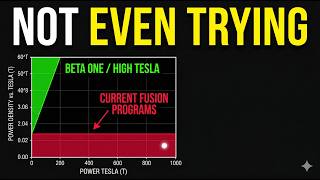
The Fusion Graph Nobody Wants You to See
The video discusses the concept of beta in fusion energy, emphasizing its importance in fusion power output. It critically examines the current state of fusion technology, suggesting that existing approaches are unable...
Tag Stats
- Theories
- 10
- Videos
- 4
- Total items
- 14